
How to Help a NICU Mom: The 5 S’s of Real Support

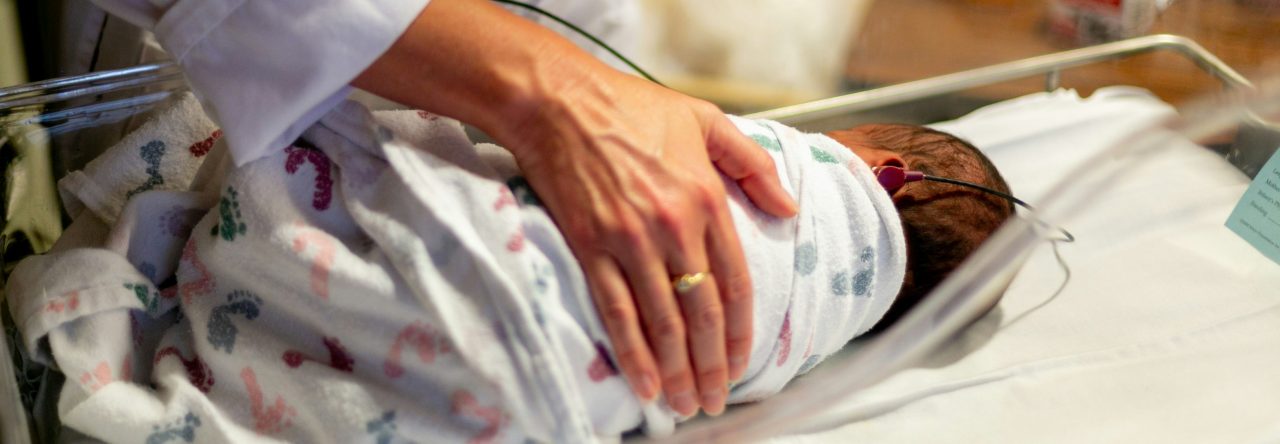
Crying infant, reflecting the sacred fragility of a NICU journey and the need for support.

A critical event like a sudden birth early on in a pregnancy creates the need for support from others. Family and friends may rush in to assist the couple. Maybe they make phone calls or send texts with “thinking of you” messages and offers for prayers. Some may take siblings and babysit while you’re in the hospital. Beautiful flowers and prayer cards are delivered. Casseroles and desserts may arrive at the house in hopes that you won’t have to worry about your next meal.

Though the truth is, many times people don’t know what to do. They may hear your story and feel deeply sad for you and the baby. They may be left with a feeling of helplessness.

“What would they even need right now? What could I possibly even do?”

As the mother of a micro preemie—albeit 21 years ago now—I found myself in desperate need of help after my water broke abruptly around 24 weeks. It was a scary, confusing, and uncertain time.

It didn’t end at the birth. The need for a helping hand went on for 74 NICU days, and then there was the adjustment to home life and three years of outpatient services that were needed to ensure his health and physical development.

When time drags on during a medical crisis, support can dwindle. Naturally, people go on with their own busy lives. It doesn’t mean they don’t care—it’s just that their time and attention get pulled in different directions. They are well-meaning, but they have their own priorities, so less and less time becomes available to help.

You may even find that you feel like you are burdening others, so when asked, you may deny the need:

“Oh, I’m okay. We will figure it out. Don’t worry about it.”

Sometimes after asking for help and being turned down, you can end up feeling rejected, which makes you withdraw instead of reaching out to someone else.

You may end up thinking:

“I just need to do it all by myself. I don’t want to bother anyone.”

So it’s a two-fold problem: people don’t always know what to do and they are busy themselves, and you may struggle with asking for help for a number of reasons.

You end up feeling lonely in the pain and the grief, overstressed and trying to manage everything alone. Overworked and headed straight for burnout, it eventually takes a toll on your body and mental health.


So what’s the answer?

What can we do as mothers, friends, and family to help when there is a NICU birth?

In my position now, I can look back and remember what meant the most to me — the things that kept me going and the things that stayed with me years after.

So I compiled a list for moms going through this now and for those who may know someone who is in the middle of the storm.


Speak up

Just acknowledging the fact this happened can go a long way. Offer condolences and ask questions without being afraid to step into your emotions so that they might have a safe place to process their feelings in any way. This can be so meaningful.

Show up

Just the presence of family and friends during critical periods can make all the difference. A hug, a smile, a shoulder to cry on is invaluable. Bring the casserole and dessert with you too!

Stick around

Grief doesn’t stop at birth or after the NICU stay. You are needed well past the critical period. If you are willing to babysit and let the couple have a night out, that is even a bigger gift!

Soothe

Gifts that offer soothing to the mother can be so comforting. Maybe it’s a blanket with the baby’s name engraved. Go ahead. Don’t hesitate thinking of a potential loss. It will be savored no matter what.

A pair of comfy socks and robe for mom. A spa day with an offer to babysit when things settle so that she has a chance to self-care. A bigger gift can also be meaningful, like a porch swing with a dedication to the baby on it — a remembrance of this journey for years to come.

Sacrifice

Love equals sacrifice. If you love, show it in your actions. This is the time to be there when you say you will—to give a little more, to love a little deeper.

Believe me. It will change lives and it will be remembered.


When we Speak up, Show up, Stick around, Soothe, and Sacrifice — we offer more than support.

We offer a Safe Space for healing.

So remember the Five S’s when our loved ones are going through a challenging time. It will mean so much—and it could make all the difference in someone’s world.

Waste no more time.
~Sharon Rose

A special thank you to those who stood by me during that season—your presence, love, and sacrifices helped shape this reflection.


Pregnancy Doesn’t Always Follow the Script

Hollywood tells the stories we come to believe in and expect in real life. We’ve all watched the scene in movies: a pregnant woman gasps, grabs her belly, and—SPLAT!—a dramatic gush hits the floor. Cue panic. People rush to help, slipping and sliding in comedic chaos. The message is clear: the baby is coming. It’s thrilling, scary, and oddly hilarious.

That’s what I expected. But that’s not what happened.


Pregnancy #1: The Silent Leak

With my first baby, I didn’t get the big Hollywood moment. I actually ran out of fluid and had to be induced. I’d imagined a mop-worthy puddle and a mad dash to the hospital, but my experience was quieter—more confusing. Looking back, I probably had a slow leak. No cinematic SPLAT, no scene change. Just some missed cues and a very different ending.


Pregnancy #2: Too Early to Be True

My second time around? It was the opposite—traumatic, sudden, and way too early.

At just around 24 weeks, I felt a rush of fluid I couldn’t stop. It was as if a faucet had turned on—and wouldn’t shut off. My brain couldn’t compute what was happening. It wasn’t time. This wasn’t the moment. I was supposed to fly to Florida the next morning.

Instead, I was sent to the hospital, where I learned the truth: my water had broken. And just like in the movies, everyone started rushing. But this time, there was no humor in the room. No laughter. Just fear. Urgency. And the fragile hope that my baby might stay safe a little longer.


Why Do We Still Sign Up for This?

We dream of spa births and soft music. Warm tubs, gentle back massages. Partners whispering encouragement. But the truth? Many of us never get that version. And still, we come back. Still, we say: “Sign me up.”

Maybe that’s why moms don’t always share the gritty truth. We don’t want to scare others off. We need each other in the trenches of motherhood. Misery might love company—but so does courage.

We watch our own mothers and make vows:
“I’ll be just like her.”
or
“I’ll never raise my child that way.”

It’s not about winning. It’s about raising children who can go out into the world and make it better. We need more changemakers. And mothers help create them.


Go With the Flow

So when your water breaks—whether early, late, or not at all—go with the flow.

Literally. Metaphorically. Spiritually.

We’re so quick to want to mop up the mess. But what if that moment is sacred? What if it’s a doorway, not just a disaster? What if we slowed down and gave thanks, even in the fear, even in the unknown—trusting that God works all things for the good of those who love Him?

Sometimes the scariest breaks in life lead to the deepest breakthroughs.


There’s a place for you. Waste no more time.

~Sharon Rose

This post is a personal story, not medical advice. If you’re concerned about preterm labor or symptoms like leaking fluid, please seek professional medical care.

The Hidden Grief of NICU Mothers: Why I Stopped Going to Church

When Grief Is Too Raw to Worship in Public — and What I Did Instead

Shock and Survival: The Early Days

When my baby was born several weeks prematurely, it came as a shock. He was just barely 25 weeks gestation – maybe even earlier. It’s hard to describe the traumatic experience to others. You’re often on a rollercoaster of emotions, unsure of your next drop in the ride.

If you had put God on the backburner after Sunday school was long over, this was the time to recall all of those prayers you might have memorized way back then. This was the time when you needed your faith and a Savior—believing might help you hold on to hope for another day.


Why I Couldn’t Go to Church

So when you think of this kind of distress, you might imagine a mother’s first stop on Sunday to be at her local worship house—trying to find some answers.

Why did God allow this? Why didn’t He intervene?

Some mothers do go. For some, church is a comforting place—a refuge, a respite, a solace. But grief is complex. Emotions can overwhelm at any time, leaving you tearful, sobbing, even weeping without warning.

Public worship, in those moments, can make you feel exposed and vulnerable. And when word spreads of your story, you become a sitting duck, waiting for someone to say, “Oh, I’m so sorry about your baby. How is he?”

It’s meant with love, but it can drive you from the room in tears.


The Pain of Being Seen Too Soon

The story feels so close to the surface, so fragile, that even speaking it aloud can be painful. You may want to avoid sharing it altogether—yet still feel imposed upon, even when others mean well.

For me, the idea of sitting in church made my heart pound. And if your church expects you to show up every Sunday, the guilt and shame can start to build. Meanwhile, your plate is overflowing—caring for a NICU child, trying to be a good spouse, and mothering other children already at home.

In a perfect world, you’d be at church. But with your son fighting for his life in the hospital, you feel worlds away from anything perfect.
Still, you hold onto hope—that God is with you, that He understands your pain, and that His forgiveness carries peace directly to your heart right where you are.


Behind Closed Doors: A Different Kind of Worship

Still, I wrestled with the rules. Isn’t church where you’re supposed to be?

But then I found peace in this:

Matthew 6:6 (NIV)
“But when you pray, go into your room, close the door and pray to your Father, who is unseen. Then your Father, who sees what is done in secret, will reward you.”

We know the promises of scripture when we learn them as children. But part of growing up in faith means recognizing that real-life circumstances will test us. We must walk through the fire to refine it. A medical crisis like premature birth will shake your belief system or strengthen it.

1 Peter 1:6–7 (NIV)
“In all this you greatly rejoice, though now for a little while you may have had to suffer grief in all kinds of trials.
These have come so that the proven genuineness of your faith—of greater worth than gold, which perishes even though refined by fire—may result in praise, glory and honor when Jesus Christ is revealed.”


My NICU Sundays: Chapel, Tea, and Prayer

For me, during those 74 NICU days, going to church seemed like an impossibility. I tried on several occasions, but I couldn’t do it. I felt like I was crying everywhere—in the shower, in the hospital bathroom, in the grocery store aisle holding the pancake syrup.

I couldn’t stop the flow of emotion. Public prayer was too exhausting. The risk of running into someone who would ask me about my baby was too high. My heart couldn’t take the discussion.
My faith and prayers were so intense—born out of the gaping wound that grief had torn open—that a church service didn’t feel private enough for the relationship I needed with God. It was deeply personal.

So on Sunday mornings, I slept as much as I could and then headed to the NICU ready for the day. This was self-care. Yes, the guilt was there. I don’t know if I was right or wrong, but I led with my heart.

Instead, I started frequenting a small hospital chapel off the main entrance. It was quiet. No one ever seemed to be in there. It felt private. That’s where I worshipped.

If there was a setback or I was anxious about a procedure, that’s where I would go.

I also woke up early—around 4:30 a.m.—made my tea, and prayed fiercely. Whether it was the rosary, simple prayers, or just sitting with God, it helped me build stamina for the long days.


Letting Go of Shame, Holding On to Compassion

I also had some strong prayer warriors on our side—solid and steady, never giving up hope for a miracle. I tried to get into the rhythm of NICU life and love the best I could. When I felt like it was all too much to handle, I returned to God in prayer asking for help.

This was self-compassion.

Rule or not, wallowing in guilt and shame keeps you out of touch with God and more in touch with the self. We have to be careful of those traps.

So if you’re facing something deeply challenging and can’t meet your Sunday obligation, remember: the rule is there for your good, but there are many ways to worship. There will be better days when you can do better. And you will.

Staying close to God any way you can may bring hope right to the forefront—where you need it most to survive.


There’s a Place for You

Don’t waste time in shame or guilt. There is a place for you. Compassion is waiting there.

The NICU lifestyle is about survival. And grief may not fit neatly in a box on Sunday morning.

When you think of a Savior, think of one who forgives. One who understands. One who wants you to do better because He loves you.

Right now, you’re in crisis.

Forgive yourself and ask for forgiveness if you can’t get to church.
Love fiercely.
Waste no more time.

~Sharon Rose