When Grief Is Too Raw to Worship in Public — and What I Did Instead
Shock and Survival: The Early Days
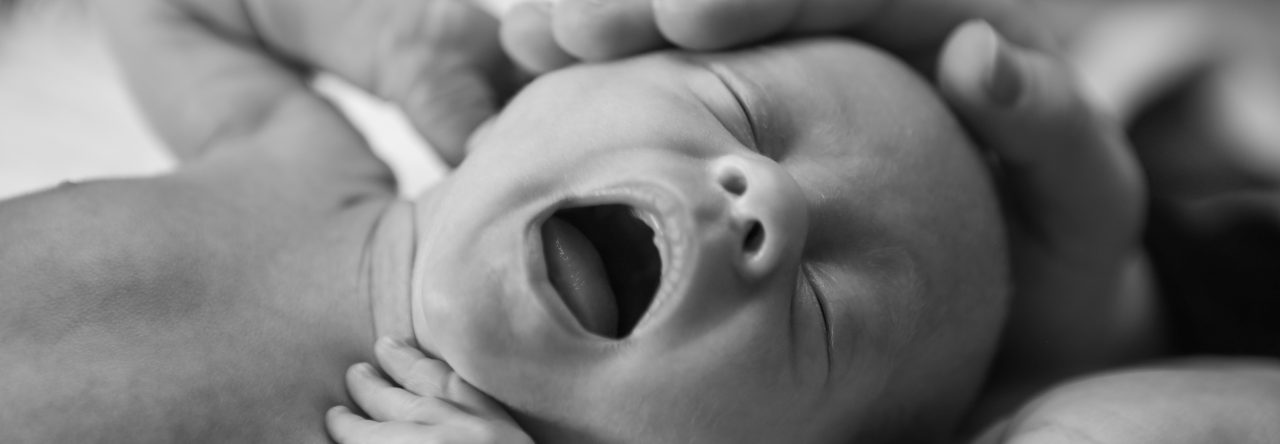
When my baby was born several weeks prematurely, it came as a shock. He was just barely 25 weeks gestation – maybe even earlier. It’s hard to describe the traumatic experience to others. You’re often on a rollercoaster of emotions, unsure of your next drop in the ride.
If you had put God on the backburner after Sunday school was long over, this was the time to recall all of those prayers you might have memorized way back then. This was the time when you needed your faith and a Savior—believing might help you hold on to hope for another day.
Why I Couldn’t Go to Church
So when you think of this kind of distress, you might imagine a mother’s first stop on Sunday to be at her local worship house—trying to find some answers.
Why did God allow this? Why didn’t He intervene?
Some mothers do go. For some, church is a comforting place—a refuge, a respite, a solace. But grief is complex. Emotions can overwhelm at any time, leaving you tearful, sobbing, even weeping without warning.
Public worship, in those moments, can make you feel exposed and vulnerable. And when word spreads of your story, you become a sitting duck, waiting for someone to say, “Oh, I’m so sorry about your baby. How is he?”
It’s meant with love, but it can drive you from the room in tears.
The Pain of Being Seen Too Soon
The story feels so close to the surface, so fragile, that even speaking it aloud can be painful. You may want to avoid sharing it altogether—yet still feel imposed upon, even when others mean well.
For me, the idea of sitting in church made my heart pound. And if your church expects you to show up every Sunday, the guilt and shame can start to build. Meanwhile, your plate is overflowing—caring for a NICU child, trying to be a good spouse, and mothering other children already at home.
In a perfect world, you’d be at church. But with your son fighting for his life in the hospital, you feel worlds away from anything perfect.
Still, you hold onto hope—that God is with you, that He understands your pain, and that His forgiveness carries peace directly to your heart right where you are.
Behind Closed Doors: A Different Kind of Worship
Still, I wrestled with the rules. Isn’t church where you’re supposed to be?
But then I found peace in this:
Matthew 6:6 (NIV)
“But when you pray, go into your room, close the door and pray to your Father, who is unseen. Then your Father, who sees what is done in secret, will reward you.”
We know the promises of scripture when we learn them as children. But part of growing up in faith means recognizing that real-life circumstances will test us. We must walk through the fire to refine it. A medical crisis like premature birth will shake your belief system or strengthen it.
1 Peter 1:6–7 (NIV)
“In all this you greatly rejoice, though now for a little while you may have had to suffer grief in all kinds of trials.
These have come so that the proven genuineness of your faith—of greater worth than gold, which perishes even though refined by fire—may result in praise, glory and honor when Jesus Christ is revealed.”
My NICU Sundays: Chapel, Tea, and Prayer
For me, during those 74 NICU days, going to church seemed like an impossibility. I tried on several occasions, but I couldn’t do it. I felt like I was crying everywhere—in the shower, in the hospital bathroom, in the grocery store aisle holding the pancake syrup.
I couldn’t stop the flow of emotion. Public prayer was too exhausting. The risk of running into someone who would ask me about my baby was too high. My heart couldn’t take the discussion.
My faith and prayers were so intense—born out of the gaping wound that grief had torn open—that a church service didn’t feel private enough for the relationship I needed with God. It was deeply personal.
So on Sunday mornings, I slept as much as I could and then headed to the NICU ready for the day. This was self-care. Yes, the guilt was there. I don’t know if I was right or wrong, but I led with my heart.
Instead, I started frequenting a small hospital chapel off the main entrance. It was quiet. No one ever seemed to be in there. It felt private. That’s where I worshipped.
If there was a setback or I was anxious about a procedure, that’s where I would go.
I also woke up early—around 4:30 a.m.—made my tea, and prayed fiercely. Whether it was the rosary, simple prayers, or just sitting with God, it helped me build stamina for the long days.
Letting Go of Shame, Holding On to Compassion
I also had some strong prayer warriors on our side—solid and steady, never giving up hope for a miracle. I tried to get into the rhythm of NICU life and love the best I could. When I felt like it was all too much to handle, I returned to God in prayer asking for help.
This was self-compassion.
Rule or not, wallowing in guilt and shame keeps you out of touch with God and more in touch with the self. We have to be careful of those traps.
So if you’re facing something deeply challenging and can’t meet your Sunday obligation, remember: the rule is there for your good, but there are many ways to worship. There will be better days when you can do better. And you will.
Staying close to God any way you can may bring hope right to the forefront—where you need it most to survive.
There’s a Place for You
Don’t waste time in shame or guilt. There is a place for you. Compassion is waiting there.
The NICU lifestyle is about survival. And grief may not fit neatly in a box on Sunday morning.
When you think of a Savior, think of one who forgives. One who understands. One who wants you to do better because He loves you.
Right now, you’re in crisis.
Forgive yourself and ask for forgiveness if you can’t get to church.
Love fiercely.
Waste no more time.
~Sharon Rose
 Hope on a Swing™